Web | Apple Platforms | Cloud | AI Engineering | ML & RL Web | Apple Platforms | Cloud | AI, ML & RL
01.About
About Me
I’m Dawson Metzger-Fleetwood, a software engineer with dual degrees in Finance and Computer Science (Machine Learning specialization) from the University of Maryland.
I've been a professional developer since 2019. Most of my work revolves around web, iOS, and visionOS development, but my professional experience also includes building ML pipelines, automating business processes, contributing to open source, and developing agentic workflows, MCP servers, and CLI tools. I also co-founded Visual Language Associates, a startup in the cued language and interpretation space. I love building cool things both at work and in my free time, and I’m passionate about solving real world problems with technology.
When I’m not coding, I’m dedicated to fitness and continuously pushing myself as a natural bodybuilder. I also love learning - whether it be a random skill, a new language, or an RL algorithm optimization. Traveling is another big part of my life. I enjoy exploring new places, immersing myself in different cultures, and collecting experiences that shape who I am.
I’m currently a Software Engineer at About Objects, but am always open to interesting projects. If you’d like to connect, please don’t hesitate to reach out!
Skills
Web Development
Show details Show less
I have professional experience engineering full-stack web applications and interactive websites. I've built specialized sites with PHP and custom WordPress plugins. I've led full-scale, from-scratch overhauls of enterprise websites, built production grade frontends with React as well as vanilla HTML, CSS, and JavaScript, managed business critical production deployments, and built integrated web experiences featuring real-time data processing with WebSockets and libraries like Three.js.
Backend & Cloud
Show details Show less
I’ve built and maintained backends with Node and Bun. I’ve managed and optimized CI/CD pipelines with GitHub Actions and Docker as build and test volume grew more than 100× with increased AI assisted development. I’ve deployed multi tenant serverless applications on AWS (Lambda, DynamoDB, Cognito) and engineered core platform systems including an OAuth 2.0/OIDC authorization server with PKCE and token introspection. I’ve integrated usage-based billing and payment systems and hardened production infrastructure to safely run untrusted workloads with process isolation and network egress controls.
I also built an AI document ingestion pipeline with infrastructure defined in AWS CDK. I used DynamoDB for job lifecycle tracking, SQS to feed autoscaling ECS/Fargate workers, and Bedrock to support FedRAMP requirements, with spend limits and operational alarms.
Swift & Apple Platforms
Show details Show less
I’ve worked extensively on iOS and visionOS projects, including advanced AR/VR development using RealityKit. I have experience with RealityKit’s entity-component-system architecture, coordinating SharePlay in 3D spaces, designing and debugging complex and highly customized view hierarchies in UIKit and SwiftUI, package management in Xcode, concurrency in Swift 6, and building ultra high performance, heapless programs. I’m comfortable across Apple's full development stack, from optimizing performance with Instruments, managing scenes in Reality Composer Pro, deploying CI/CD pipelines with Xcode Cloud and TestFlight, and training/using ML models with Create and Core ML. I've also written kernels and compute shaders with Metal.
AI Engineering
Show details Show less
I architected and built a Swift agent harness for iOS and visionOS that works with on device and cloud models. It features screen aware dynamic tool loading, context engineering through progressive disclosure, and voice control with interruption handling and under 100 ms time to first audio.
I also evaluated and rebuilt a document ingestion pipeline that can turn an extremely long document in any file format into any domain model. It improved performance across the board, delivering a higher fidelity result 4x faster and 8x cheaper. I've also built multimodal pipelines that generate structured metadata, using LLM juries for consensus scoring and evaluation driven loops that iteratively optimize prompts.
I’ve built bespoke MCP servers for project administration and interpreter preparation, and worked closely with leadership teams (reporting directly to the CTO) to rebuild the company SDLC around AI assisted delivery, including a company wide skills repository and evaluation driven self improving review pipelines.
ML & RL
Show details Show less
Professionally, I've applied machine learning to both enterprise and government systems. I designed and built a real time computer vision pipeline that trains models capable of recognizing and tracking the orientation of 3D objects using LIDAR. I’ve also fine-tuned and deployed foundation models on H100 clusters to improve performance on proprietary domain-specific tasks.
Personally, my interest in ML extends much further. I built a transformer using only numpy, and have worked directly with embeddings, autoencoders, and more. I've had some exposure to deep reinforcement learning and loved it. I've read Reinforcement Learning: An Introduction by Sutton and Barto cover to cover and implemented some of the core algorithms: TD(λ), DQN and SARSA varieties, some policy gradients, off policy importance sampling, etc.
02.Where I've Worked
AI Engineer / Software Engineer @ About Objects
AI Engineering
- Agent harness. Architected and built a Swift agent harness for iOS and visionOS with on device and cloud models, screen aware dynamic tool loading, context engineering through progressive disclosure, and voice control with interruption handling and under 100 ms time to first audio.
- Unstructured document ingestion. Evaluated and rebuilt an AI document ingestion pipeline using AWS CDK infrastructure and autoscaling ECS/Fargate workers. Supports 100+ page documents with higher fidelity. Benchmarked 4× faster at one eighth the model API cost.
- AI assisted SDLC redesign. Worked closely with leadership to rebuild the company's SDLC around AI assisted delivery, establishing impact metrics, an eval driven self improving review feedback loop, and a company wide skills repository that embeds engineering and project management workflows into agent behavior.
- 3D computer vision pipeline. Led development of a 3D ML object recognition pipeline, enabling rotation inference from 200 images. Supported an industrial oil drill manufacturer in analyzing drill bit component history and repairs.
Software Engineering
- Event management platform. Developed a multi-platform (iPad, iPhone, and Vision Pro) event management platform for government clients, featuring real-time resource tracking and 3D visualizations with RealityKit. Featured in Apple's enterprise showcase.
- Scaled the platform from inception to support 10,000+ concurrent users, built real time collaboration across distributed command teams, and reduced hierarchical rendering latency by 80%.
- Corporate website overhaul. Led the company website overhaul with custom WordPress plugins and a PHP backend.
- Internal tools. Worked on several internal projects, including building an MCP server to help PMs with Jira project administration and building pipelines to automate billing processes.
- Engineering delivery. Scaled a CI/CD pipeline with GitHub Actions and automated TestFlight builds as the team quadrupled in size. Mentored junior engineers and interns.
- Led About Object’s AI blog, writing articles on autoencoders, reinforcement learning, GNNs, and transformers.
03.Selected Works
Roomsmith
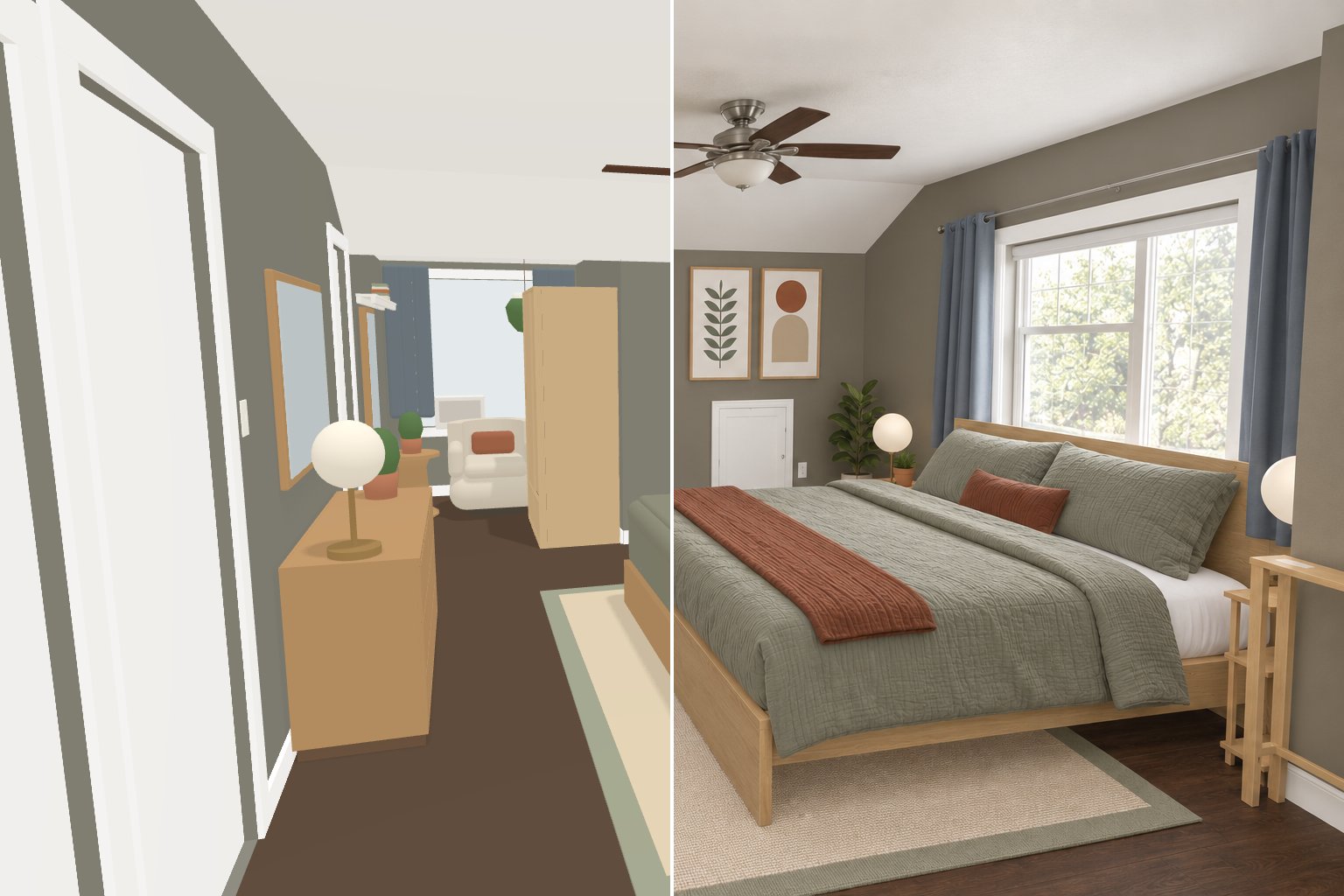
Generated images are awesome for picking an aesthetic for a room, but they can't tell you how feasible building it actually is. Most professional room planning software is tedious to work with and slow to iterate on.
Roomsmith is driven entirely by your agent. Scan a room with your iPhone and describe what you want. The agent proposes layouts/aesthetics by finding real products, pulling in or building their 3D models directly from the listings, and placing them in the scan. A checker flags overlaps, blocked doors/windows, tight walkways, etc. Watch each change live in a 3D viewer that you can orbit, walk inside of, and measure. Once a layout fits, the agent can generate images from the render and real product photos to show you what the room would actually look like. This app has come in handy many times for me, I encourage you to give it a try! The era of personal software really is here.
Gemma 4 MoE Heretic-ARA
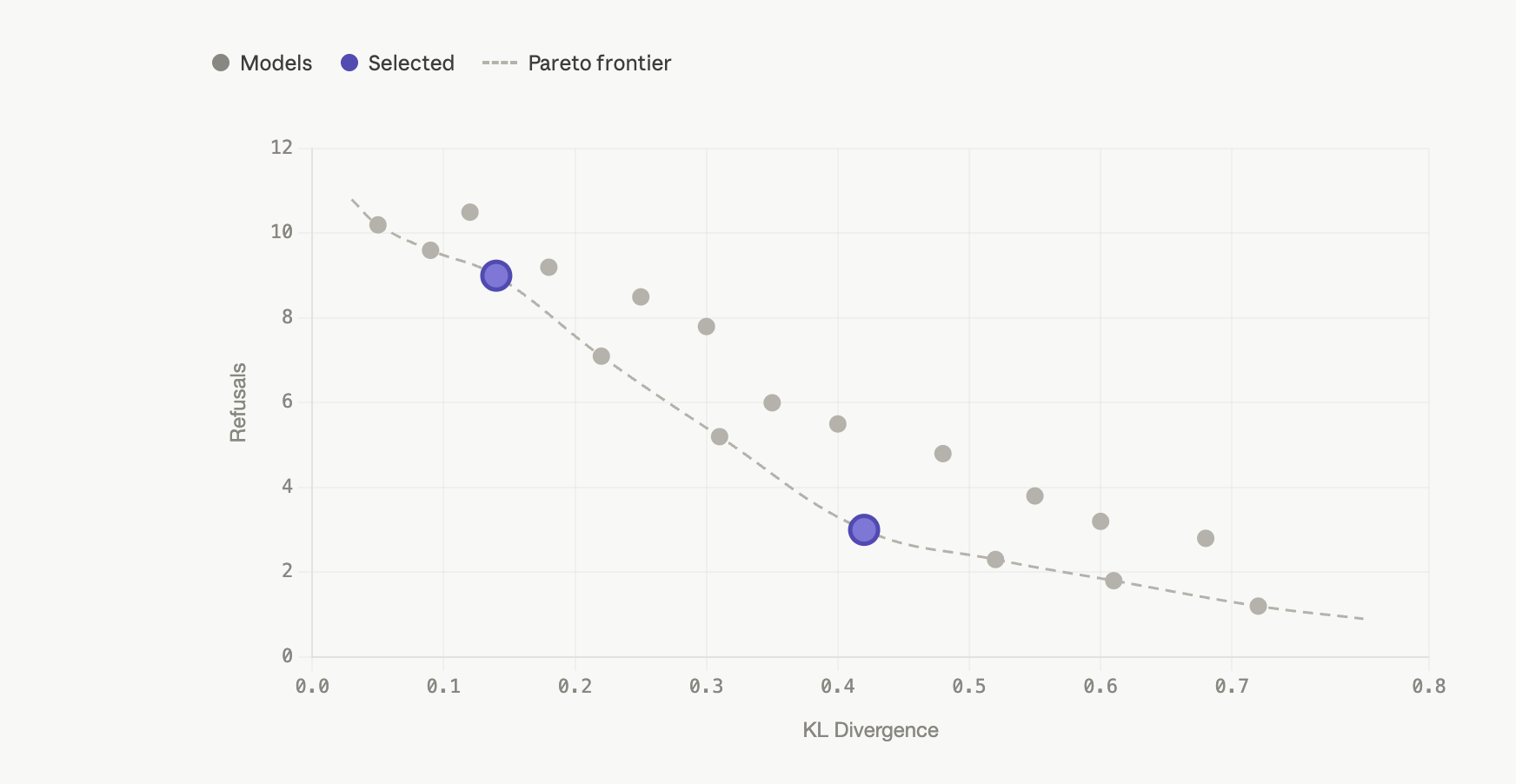
Out of curiosity I rented an H100 on RunPod and fine tuned Google's Gemma 4 26B MoE model using Heretic's experimental ARA branch. I couldn't decide between two of the models on the KL divergence/refusals Pareto frontier, so I benchmarked them both against the evals Google released for the original model (MMMLU, MMMU Pro, AIME 2026, GPQA Diamond, LiveCodeBench V6, τ2-bench, etc).
I'm currently working on a blog post that explains in more depth what I did, how Heretic works, and how arbitrary rank ablation improves on Heretic's original design. In the meantime, you can download and try the models yourself using the link below.
Embedded Swift Agent
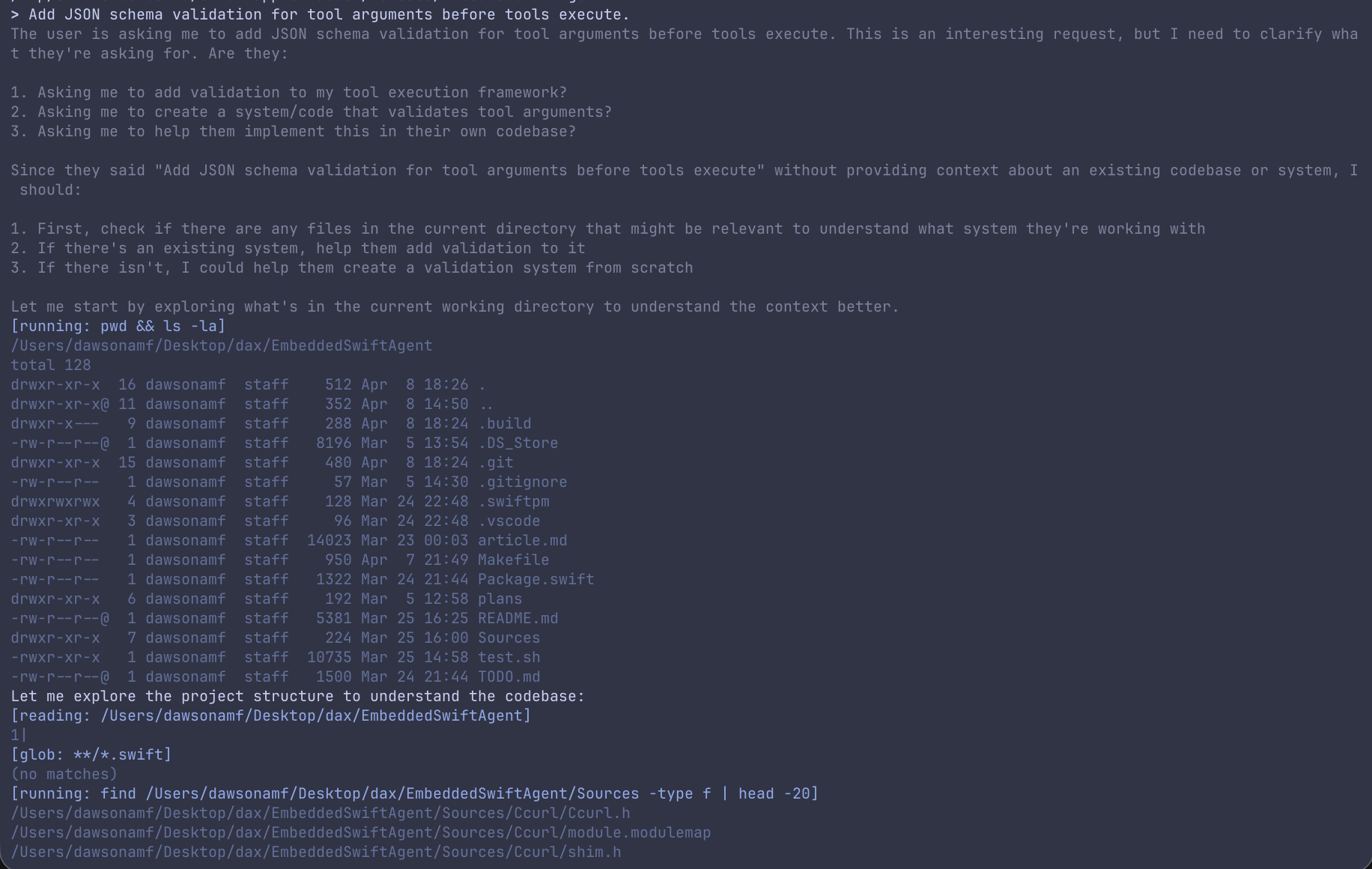
Recently I decided I wanted to build a coding agent from scratch. With so many tutorials online, I decided to make it a little more challenging for myself; make the final binary as small as possible. Rather than learn Rust, I went with Embedded Swift. Without Foundation I had to create almost every dependency manually: networking with libcurl via C interop, JSON parsing by wrapping cJSON with RAII semantics, concurrency with raw pthreads and mutexes, etc. Once the initial implementation was working in standard Swift, I used the agent running inside its own binary to help port itself to Embedded Swift.
The final result is a 195 KB binary that boots in 120ms, supports streaming responses, parallel tool execution, subagents, and more. It's smaller than most JPEGs, with the same capabilities as agents more than 500x its size.
Silicon Fly
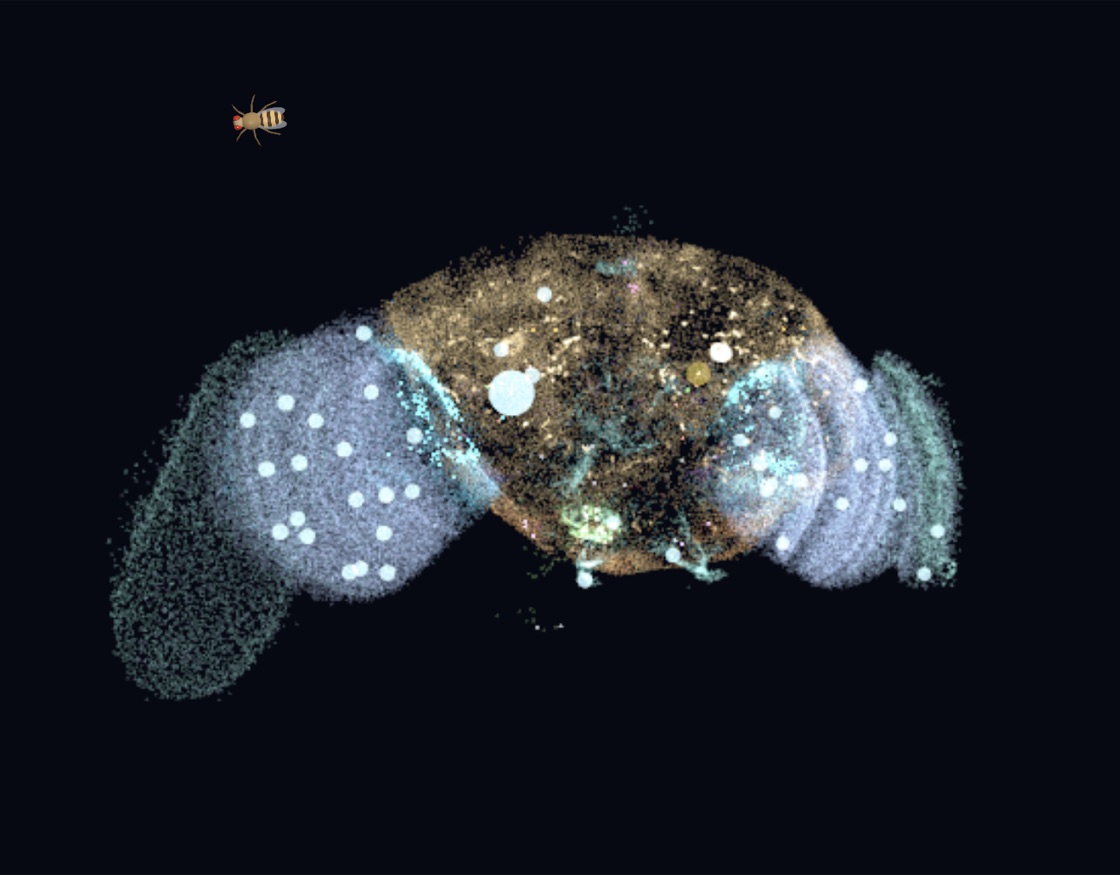
A team of more than 200 researchers from 50 labs mapped every neuron and synapse in a real fly's brain and open sourced it. Others turned half a percent of that brain into a desktop app that produces a fly that wanders across your display, sees your cursor, and runs away from it.
I wrote a Metal kernel that made running the whole brain feasible by scattering instead of gathering, cutting the per step work by 560x. I used integer arithmetic to make the kernel bit for bit verifiable against a CPU reference. The result is 139,255 neurons and 15,091,983 connections running at 13.5x realtime on an M4 Pro in 163 lines of Metal.
Helm
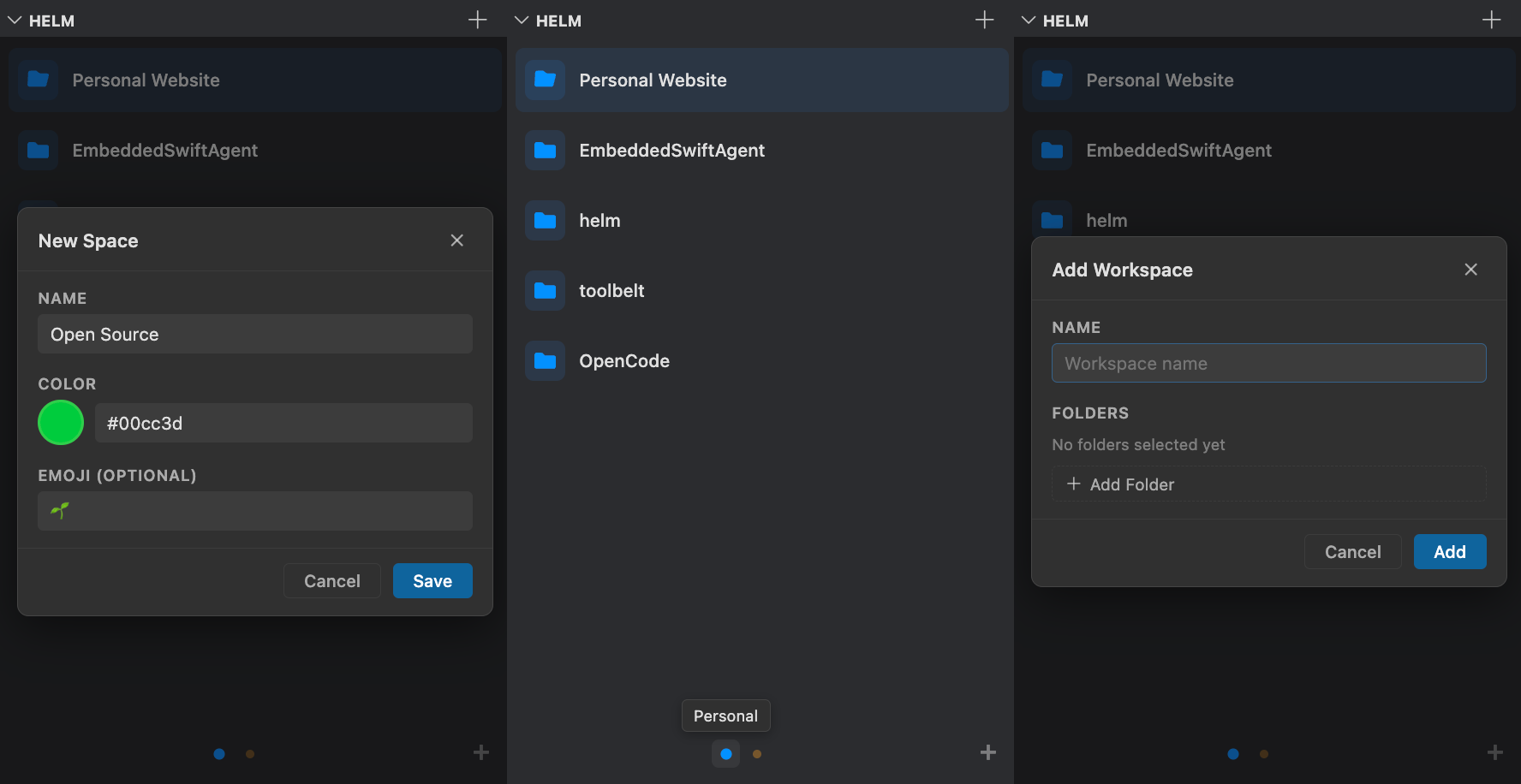
I often work on many projects at the same time. Sometimes I find myself with over a dozen Cursor windows open at once. At a certain point, managing them all started to feel like a job on its own. I am a huge fan of Arc Browser and wanted its elegant space and tab management inside my IDE, so I built it.
Helm is a VS Code/Cursor extension that lives in the Explorer sidebar. You can save workspaces, and organize them into “spaces” with custom names, colors, and emojis. You can swipe between spaces with the trackpad, and drag and drop to reorder. The styling uses VS Code's built-in theme variables, so it looks native regardless of which theme you're using.
Toolbelt
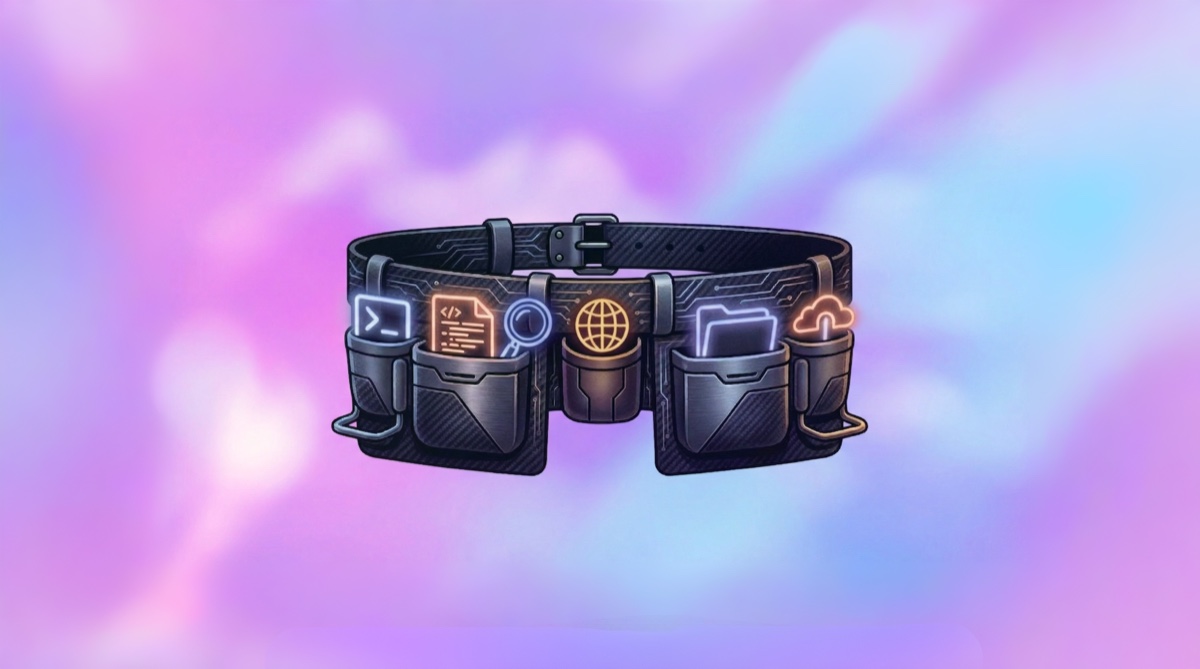
Fundamentally, a coding agent is just a chatbot with access to a filesystem. There's no reason that access must be restricted to a CLI agent running locally on a machine. In theory, any chatbot could become a coding agent if given the right access.
Toolbelt is an MCP server that does exactly that. It runs on your machine (or a cloud VM/dev box) and exposes a configurable set of tools (bash, read_file, write_file, glob, grep, web_search, etc) over the internet through a secure Cloudflare tunnel. Add Toolbelt to any MCP compatible chatbot (like the ChatGPT app on your iPhone or a local model in LM Studio) and it will become an agent capable of taking actions on your machine. This makes the chat interface the minor component of the agentic system; you can swap it out anytime without having to modify your tools or environment.
Amino Amigo
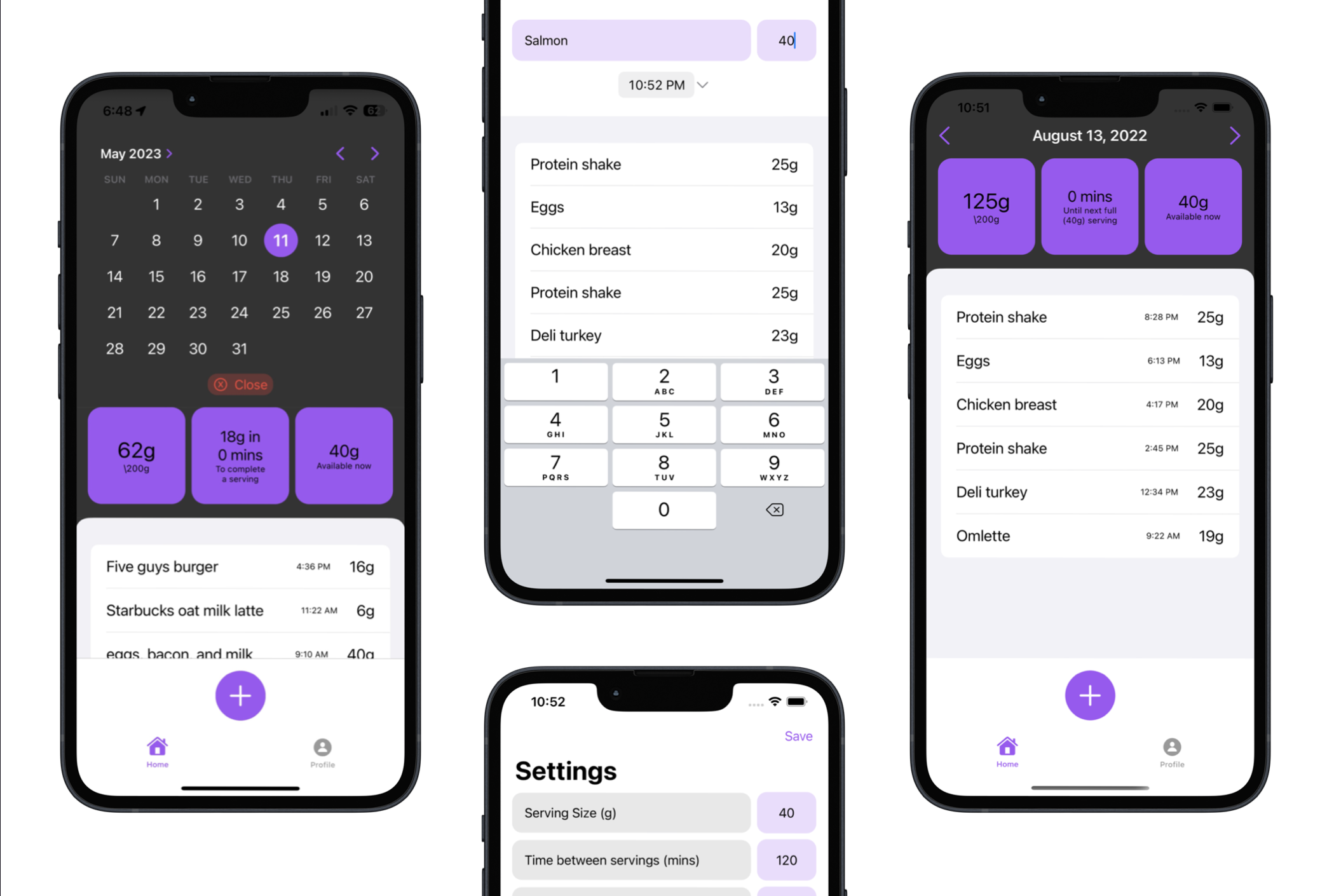
I like to workout, and building muscle requires lots of protein. Building muscle optimally requires timing protein intake. However, no macronutrient tracking app that I could find takes this into account. None distinguish complete from incomplete protein, or optimal protein windows. This frustrated me to the point that I created the app I wished already existed.
Amino Amigo has been downloaded in over a dozen countries. The app factors in individual metabolic limits and alerts users to when - and how much - protein to have. The app closely follows Apple's interface guidelines and design principles, and makes use of a wide variety of Swift features and frameworks.
LexChat
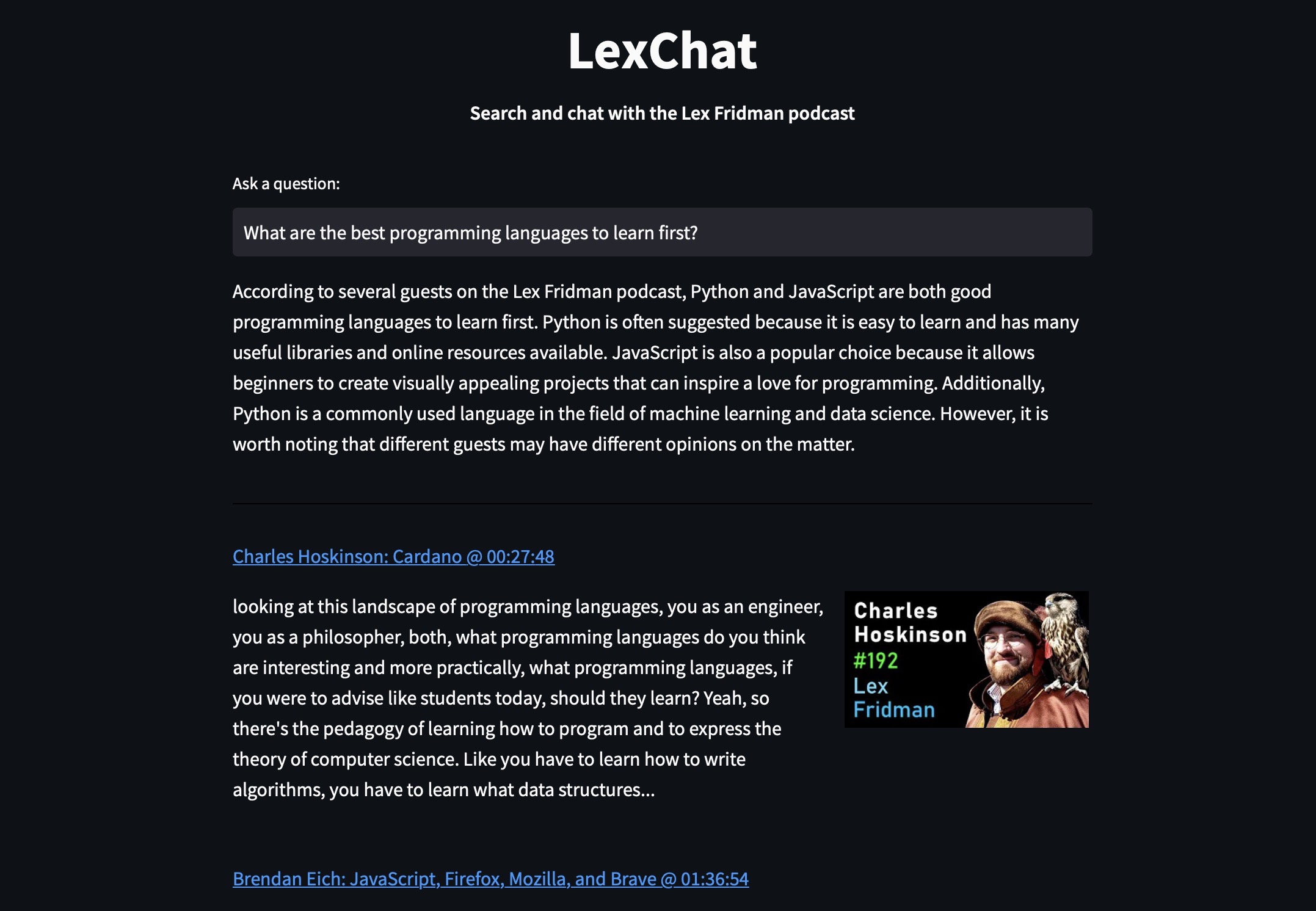
LexChat is a website that allows users to search and talk to the Lex Fridman podcast. I transcribed the podcast with Whisper, created the search engine using vector embeddings, and construct natural language replies based on this search using GPT-3.5. Each search result includes a timestamped link directly to the moment in the podcast episode containing the search result.
I built this back in 2022, before ChatGPT was launched and the explosion of LLMs in general. Because there was limited LLM tooling at the time, I had to build my own RAG stack from scratch, including hosting the embeddings and implementing my own search engine using approximate k-NN.
Deep RL
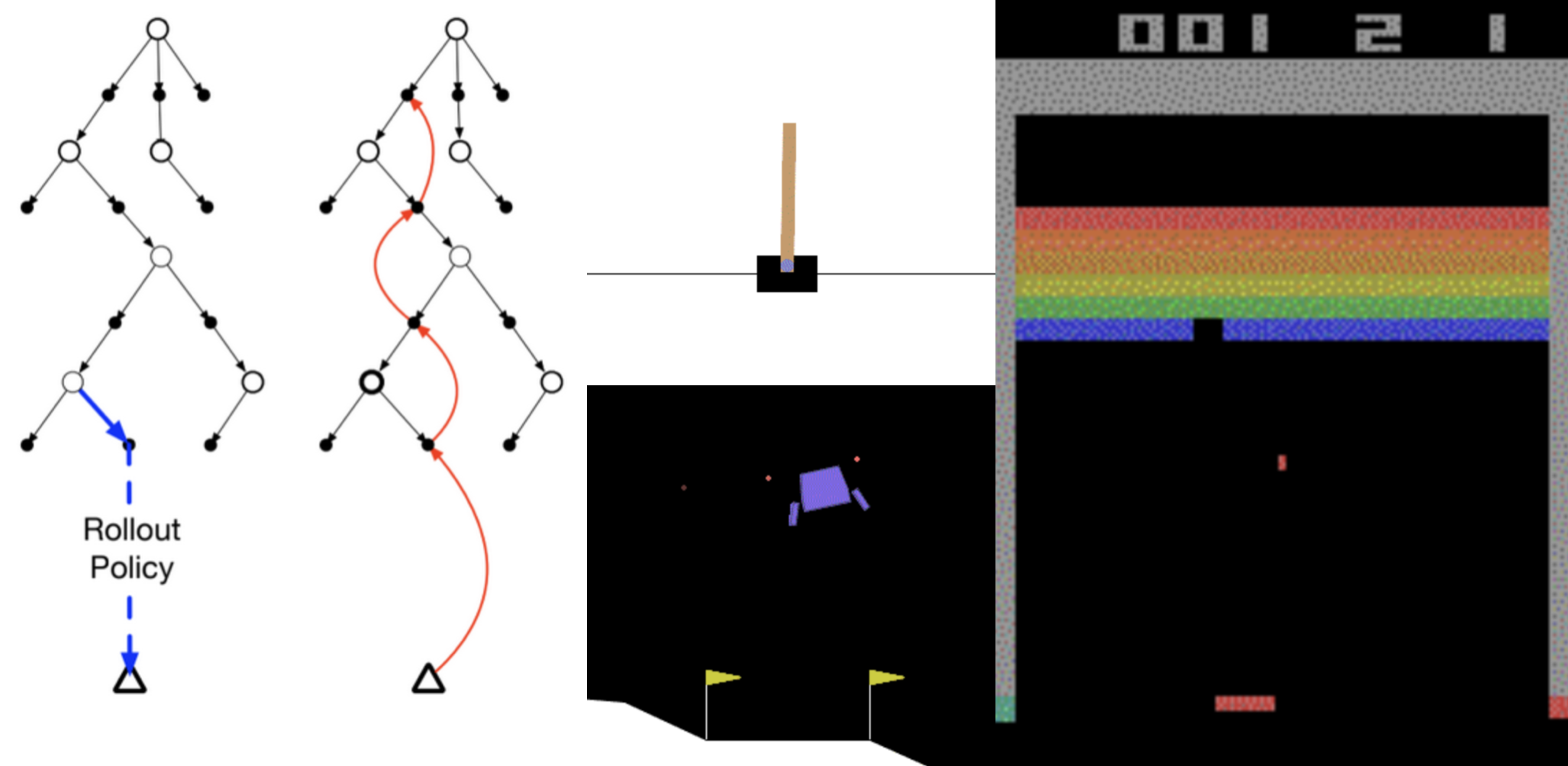
After graduating college, I became interested in reinforcement learning, and decided to do a self-study using "Reinforcement Learning: An Introduction" by Sutton and Barto as a guide. I read that book from cover to cover and fell in love with the ideas there. Along with OpenAI's Spinning Up, I implemented many of the algorithms I learned from scratch, including SARSA, DQN, PPO, DDPG, SAC, and a simple version of Monte Carlo Tree Search inspired by AlphaZero.
04.Blog
We are process engineers
September 2026
Intelligence is the substrate we work with now; the code it produces is just a byproduct.
There is a fly on my laptop and it runs away
August 2026
How inverting a kernel from gather to scatter and porting from WebGPU to Metal cut per step work by 560x and lets me run a complete insect brain on my laptop.
The Art Nobody Looks At
July 2026
A gallery of works of art currently sitting in storage at some of the world's most popular art museums.
Deep modules
June 2026
How to trust large amounts of LLM generated code and merge lots of PRs very quickly without accumulating cognitive debt or causing codebase entropy.
Arena.ai Leaderboard Update Badges
May 2026
How a Tampermonkey script, regexing RSC payload streams, and React hydration injection make the case for an open web.
Helm: A Workspace Switcher for VS Code and Cursor
March 2026
Building a Cursor/VSCode extension that brings Arc Browser style space and workspace management to your IDE sidebar.
Toolbelt: Giving AI Clients a Way Into Your Environment
March 2026
Turn your local machine into a remote MCP server so any AI client can access your skills setup and take actions on your machine.
Building a Coding Agent in Embedded Swift
February 2026
Building a fully featured coding agent in Embedded Swift that compiles to a 195 KB binary and boots in 120ms.
How Fast Are Agents Improving?
February 2026
An analysis of METR-Horizon benchmark data showing AI agent capability doubling times, with interactive projections through 2033.
Autoencoders – Part 2
April 2024
Using autoencoders in practice: outlier detection, variational autoencoders for data generation, denoising, and the CLIP model.
Autoencoders – Part 1
January 2024
Building intuition for autoencoders: how they compress data into lower-dimensional representations and what makes them useful.
Highlights from My CS Degree
May 2022
A collection of projects from my Computer Science undergrad, consolidated from an older version of this site.
05.Contact
My inbox is always open. If you're interested in working together, have a question, or just want to say hi, feel free to reach out! Send me an email at dawsonamf@icloud.com, or connect with me by selecting an option below. You can also schedule a call.